Olivia Claymore
Commercial Landscaping : A Guide for Washington Property Owners
Landscaping
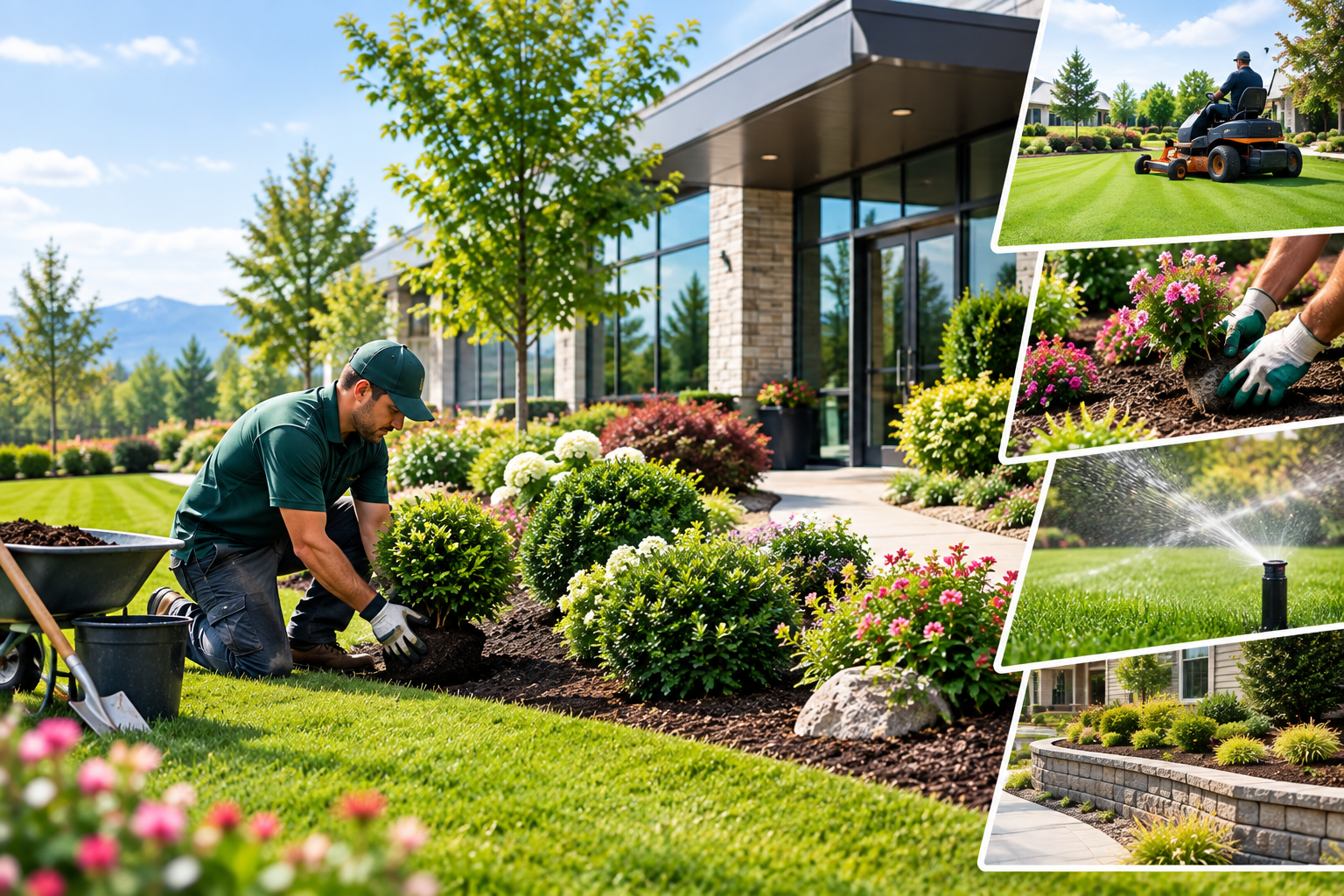
Commercial landscaping covers the design, installation, and maintenance of outdoor areas surrounding commercial properties. A well-maintained landscape can enhance a property’s appearance, improve outdoor functionality, and create a more pleasant environment for customers, employees, tenants, and visitors.
Washington’s climate and seasonal weather conditions can influence how commercial landscapes should be maintained. Regular rainfall, cooler temperatures, changing seasons, and varying soil and growing conditions can affect lawns, plants, trees, irrigation, and drainage systems throughout the year.
For property owners, understanding these factors is important when planning a commercial landscaping routine. Proper maintenance, suitable plant selection, efficient irrigation, and seasonal care can help keep outdoor spaces healthy and attractive. This guide explores the key elements of commercial landscaping and the factors Washington property owners should consider when managing their commercial landscapes.
What Is Commercial Landscaping?
Commercial landscaping involves the planning, installation, and maintenance of outdoor spaces at businesses, retail centers, offices, apartments, industrial properties, schools, and other large facilities. Unlike residential landscaping, it typically covers larger areas, higher foot traffic, and more detailed maintenance schedules. Commercial landscaping services may include lawn care, planting, tree and shrub maintenance, irrigation, drainage, and seasonal cleanup. Commercial landscaping also requires coordination with property managers to minimize disruption to daily operations. Because commercial properties often have multiple landscape areas, a planned maintenance schedule helps ensure lawns, entryways, parking areas, and shared spaces remain attractive, functional, and well maintained throughout the year.
Are you a commercial landscaping contractor looking to grow your business?
List your company on Yellow Pages Washington and get in front of property managers and business owners actively searching for landscaping services in your area. Click here to register and start getting discovered by local clients today.
Why Commercial Landscaping Matters for Washington Properties
A property's exterior is often the first impression it makes on customers, tenants, and visitors. In Washington, where damp weather and seasonal growth patterns can quickly affect outdoor spaces, consistent upkeep plays a role in how a property looks and functions throughout the year.
Curb Appeal and First Impressions
Neatly trimmed shrubs, healthy turf, and clean walkways contribute to a more welcoming and professional appearance. For retail and office properties in particular, an attractive landscape can influence how visitors perceive the business before they ever step inside.
Property Value and Tenant Satisfaction
Landscaping is one of the visible signs that a property is being actively managed. For multi-tenant buildings, well-kept grounds can support tenant retention, while for properties being bought or sold, exterior condition is often factored into overall value.
Safety and Liability Considerations
Overgrown vegetation, standing water, or poorly maintained walkways can create hazards for pedestrians and vehicles. Routine landscaping helps address sightline obstructions, slippery surfaces, and other conditions that could otherwise lead to accidents or liability concerns.
Supporting Employee and Tenant Wellbeing
Outdoor spaces that are clean, green, and well organized can also contribute to how employees and tenants experience a property day to day. Shaded seating areas, tidy walking paths, and healthy plantings can make outdoor breaks more inviting and give tenants a reason to spend time outside the building, which some property owners view as an added amenity rather than just a maintenance line item.
Essential Commercial Landscaping Services
These services typically span several categories of work, from initial design through ongoing care. Understanding what each category includes can help property owners plan a maintenance program suited to their site.
Landscape Design and Installation
Landscape design services focus on planning layouts, selecting plant materials, and creating outdoor spaces that fit a property's function and appearance goals. Landscape installation services then bring that design to life, covering planting, hardscaping, irrigation setup, and grading.
Lawn Care and Turf Management
Commercial lawn care services include mowing, edging, fertilization, aeration, and weed control to keep turf areas healthy and consistent in appearance. Regular turf care also helps grass better withstand foot traffic and Washington's variable rainfall.
Tree, Shrub, and Plant Maintenance
Pruning, trimming, mulching, and pest monitoring help keep trees and shrubs healthy while maintaining a tidy appearance around building entrances, parking areas, and property borders. Seasonal plantings can also refresh a property's look throughout the year.
Irrigation and Drainage Systems
Efficient irrigation systems help distribute water evenly across a property while reducing waste, which is especially useful during Washington's drier summer months. Landscape drainage services address standing water, erosion, and runoff issues that are common in areas with high seasonal rainfall.
Hardscaping and Outdoor Features
Walkways, retaining walls, patios, and parking lot islands are part of many commercial properties. Maintaining these hardscape elements alongside plantings helps create a cohesive, functional outdoor environment.
Seasonal Cleanup Services
Leaf removal, debris cleanup, and seasonal bed preparation help properties transition smoothly between seasons. This is particularly relevant in Washington, where fall leaf drop and winter storm debris can accumulate quickly.
Pest and Weed Management
Weeds competing for water and nutrients, along with pests that target turf or ornamental plants, can undermine an otherwise well-maintained landscape. Routine inspections combined with targeted treatment help catch problems early, before they spread across beds or lawn areas and require more extensive intervention.
Snow and Ice Management
In parts of Washington that see occasional snow or freezing conditions, some commercial properties also need seasonal snow plowing, sidewalk de-icing, and storm response. This is often bundled into a broader maintenance agreement so a single provider can be reached for both routine landscaping and winter weather events.
How Washington's Climate Affects Commercial Landscaping
Washington's climate varies by region, but many areas share characteristics that directly influence how landscapes should be planned and maintained. Understanding these patterns helps property owners set realistic expectations for their year-round maintenance schedule.
Rainfall Patterns and Soil Conditions
Western Washington in particular receives significant rainfall for much of the year, which can lead to compacted or saturated soil if not properly managed. Well-planned drainage and periodic aeration help prevent waterlogging that could otherwise stress turf and plant roots.
Seasonal Temperature Changes
Cooler, wetter winters and mild, drier summers mean landscaping needs shift throughout the year. Plant selection, watering schedules, and maintenance tasks generally need to be adjusted season by season rather than following a single year-round routine.
Native and Climate-Suited Plant Selection
Choosing plants suited to the Pacific Northwest's growing conditions can reduce the amount of supplemental watering and maintenance a landscape requires. Native and regionally adapted species tend to handle Washington's rainfall and temperature patterns more reliably than plants suited to drier or warmer climates. Options such as sword fern, red-twig dogwood, evergreen huckleberry, and Oregon grape are commonly used across the region because they tolerate wet winters and moderate summer dry spells without extensive intervention.
Regional Variation Across Washington
Growing conditions can differ noticeably between Western Washington's marine climate and Eastern Washington's drier, more continental conditions. Properties on the west side of the state generally deal with higher year-round rainfall and milder temperatures, while properties east of the Cascades may face colder winters, hotter summers, and lower overall rainfall. A landscaping plan that works well in Seattle may not translate directly to Spokane, which is why local conditions should guide plant selection and irrigation planning.
How to Maintain Commercial Landscapes Year-Round
Because conditions shift across seasons, commercial landscape maintenance in Washington generally works best as a year-round plan rather than a one-time service. Breaking maintenance down by season can help property owners anticipate what their landscape needs at different points in the year.
Spring Maintenance Tasks
Spring is typically when properties address cleanup from winter, apply fertilizer, prune back growth, and prepare beds for new plantings. It's also a good time to inspect irrigation systems before the drier months ahead.
Summer Maintenance Tasks
Summer maintenance often centers on consistent mowing, monitoring irrigation efficiency, and watching for signs of drought stress or pest activity. Regular upkeep during this period helps plants and turf stay resilient through warmer, drier stretches.
Fall Maintenance Tasks
Fall brings leaf cleanup, aeration, overseeding, and preparation for cooler, wetter weather. Addressing drainage and gutter issues before the rainy season ramps up can help prevent bigger problems later on.
Winter Maintenance Tasks
Winter maintenance in Washington may include pruning dormant trees and shrubs, managing storm debris, and monitoring for drainage issues caused by heavy rain. Some properties also require snow and ice management during colder spells, depending on their region.
Building a Year-Round Maintenance Calendar
Rather than treating each season as a separate project, many property owners find it more effective to work from a single maintenance calendar that outlines tasks month by month. This kind of planning makes it easier to budget for the year, avoid gaps between service visits, and coordinate with a contractor well ahead of each seasonal transition instead of reacting after problems appear.
How to Choose the Right Commercial Landscaping Company
Selecting the right provider is an important decision, since the right partner can affect both the appearance of a property and how efficiently maintenance is handled over time. A few key factors can help narrow down the options.
Experience with Commercial Properties
Commercial landscaping contractors who regularly work with businesses, HOAs, and multi-site properties tend to be more familiar with the scheduling, scale, and coordination that commercial work requires compared to residential-focused providers.
Range of Services Offered
Some property owners prefer working with a single provider that offers everything from landscape maintenance services to irrigation, drainage, and seasonal cleanup, rather than coordinating multiple vendors. Reviewing a company's full service list can clarify whether they can support a property's needs long-term.
Licensing, Insurance, and Local Knowledge
Verifying licensing and insurance helps protect property owners from liability, while familiarity with local Washington growing conditions can be a practical advantage. Contractors who understand regional rainfall, soil, and plant considerations are often better equipped to plan realistic maintenance schedules.
Communication and Contract Terms
Clear contracts that outline service frequency, scope of work, and pricing help avoid misunderstandings down the line. It's worth asking how a company communicates about scheduling changes, site issues, or additional work before signing an agreement.
Questions to Ask Before Hiring
Before signing an agreement, property owners can ask a few practical questions: How many commercial properties does the company currently service, and can they provide references from similar sites? What equipment and crew size do they typically assign to a property of this scale? How do they handle unexpected issues, like storm damage or an irrigation leak, outside of a scheduled visit? Getting clear answers up front can reveal a lot about how a company operates day to day.
Red Flags to Watch For
A few warning signs can indicate a company may not be the right fit for a commercial property. These include vague or verbal-only agreements, an inability to provide proof of insurance, reluctance to share references, and pricing that seems unusually low compared to other quotes for the same scope of work. Taking time to compare a few proposals side by side can help property owners spot inconsistencies before committing to a contract.
Commercial Landscaping Checklist for Washington Property Owners
The following checklist summarizes key items property owners can review when evaluating or planning their commercial property maintenance routine.
- Confirm turf mowing, edging, and fertilization schedules match seasonal needs
- Inspect irrigation systems for leaks, coverage gaps, or inefficiency
- Review drainage areas for standing water or erosion, especially before fall rains
- Schedule tree and shrub pruning during appropriate dormant or growth periods
- Plan seasonal cleanup for leaves, storm debris, and bed maintenance
- Evaluate plant health and consider climate-suited replacements where needed
- Check walkways, parking areas, and hardscaping for safety hazards
- Confirm contractor licensing, insurance, and service agreement terms
- Set a year-round maintenance calendar rather than relying on one-time visits
Common Landscaping Challenges on Washington Commercial Properties
Even with a solid maintenance plan in place, certain challenges tend to come up repeatedly across Washington properties. Recognizing these early can make it easier to address them before they turn into larger, more expensive problems.
Moss and Fungus Growth
Persistent moisture combined with shaded areas can lead to moss buildup on turf, walkways, and even roofing near landscaped zones. Improving drainage, increasing sunlight exposure where possible, and adjusting mowing height can help reduce moss over time.
Soil Compaction
Heavy foot and vehicle traffic around commercial properties can compact soil, making it harder for water and nutrients to reach plant roots. Periodic aeration is one of the more effective ways to relieve compaction and support healthier turf.
Erosion on Sloped Areas
Properties with sloped landscaping or retention areas can be prone to erosion during heavy rain events. Ground cover plantings, retaining structures, and properly graded drainage paths all help keep soil in place during Washington's wetter months.
Conclusion
Commercial landscaping plays a practical role in how a Washington property looks, functions, and holds up throughout the year. Between regular rainfall, seasonal temperature shifts, and varying soil conditions, ongoing attention to turf, plants, irrigation, and drainage helps keep outdoor spaces in good condition.
Property owners who plan ahead, choose climate-suited plantings, and work with an experienced commercial landscaping company are generally better positioned to maintain a safe, attractive, and well-functioning property across every season.
FAQs About Commercial Landscaping
How much does commercial landscaping typically cost?
Costs vary widely based on property size, the scope of services included, and how often maintenance is performed. Many providers offer customized quotes after assessing a site's specific needs, so it's best to request a walkthrough for an accurate estimate.
How often should a commercial property be mowed?
Mowing frequency depends on grass type, season, and growth rate, but weekly mowing during peak growing months is common, with less frequent visits during slower growth periods in fall and winter.
What's included in a typical maintenance contract?
Most contracts outline the specific services covered, such as mowing, pruning, irrigation checks, and seasonal cleanup, along with visit frequency, pricing, and any additional services billed separately. Reviewing the contract closely helps clarify exactly what's included.
Can commercial landscaping help reduce water usage?
Efficient irrigation system design, proper scheduling, and climate-suited plant selection can all help reduce unnecessary water use over time, particularly when systems are regularly inspected for leaks or overwatering.
Do commercial properties need landscaping services in winter?
Yes, winter upkeep often includes pruning, debris management, and monitoring for drainage or moisture-related issues, and in colder regions of Washington, snow and ice management may also be part of a winter plan.
Suggestions